
Simple Tech: Enhancing Senior Home Safety with Smart Devices and Thoughtful Design

As we age, the desire to remain in the comfort of our own homes grows stronger. For seniors, maintaining independence while ensuring safety is a delicate balance. Fortunately, advancements in smart technology and thoughtful home design make it possible to create living spaces that are both secure and empowering. In this guide, we’ll explore practical strategies for home safety for seniors, with a special focus on kitchen modifications for seniors, a space where functionality and safety must coexist. Whether you’re a senior looking to age in place or a family member seeking peace of mind, discover how Fine Finishes Design Inc. can help transform your home into a sanctuary of safety and style.

Why Home Safety for Seniors Matters More Than Ever

Aging in place isn’t just about staying in a familiar environment; it’s about preserving dignity, autonomy, and quality of life. Every year, millions of seniors face preventable accidents at home, from slips in the bathroom to mishaps in the kitchen. These incidents can lead to injuries, hospitalizations, and even a loss of independence. However, with proactive planning and modern solutions, many risks can be mitigated.

Key goals for senior home safety include:

Preventing falls, the leading cause of injury among older adults.


Simplifying daily tasks
 like cooking, cleaning, and medication management.


Enhancing accessibility
 to reduce physical strain.


Providing emergency support
 for peace of mind.

Let’s dive into how smart technology and intentional design can achieve these goals.

Smart Devices: The Future of Senior Home Safety

Modern technology offers discreet, user-friendly tools that empower seniors to live confidently. Below are essential devices that blend innovation with practicality:

1. Motion-Activated Lighting

Dark hallways and staircases are common hazards. Motion-sensor lights automatically illuminate pathways, reducing the risk of trips and falls.

How It Works: Install lights in high-traffic areas like hallways, bathrooms, and entryways. They activate when movement is detected and turn off after a set time.


Popular Options
: Brands like Philips and Lutron offer customizable settings, including adjustable brightness and sensitivity.

2. Smart Smoke and Carbon Monoxide Detectors

Traditional alarms may be difficult for seniors with hearing impairments to detect. Smart detectors send alerts to smartphones, tablets, or voice assistants, ensuring timely responses to emergencies.

Bonus Feature: Pair with automatic stove shut-off devices to prevent kitchen fires caused by forgotten appliances.

3. Voice-Activated Assistants

Devices like Amazon Echo or Google Nest Hub act as virtual helpers, enabling hands-free control of lights, thermostats, and reminders.

Everyday Uses:

“Alexa, turn on the living room lamp.”

“Hey Google, remind me to take my medication at noon.”


Accessibility
: Ideal for seniors with mobility challenges or arthritis.

4. Medical Alert Systems

Wearable devices like pendants or smartwatches provide instant access to emergency services with the press of a button. Advanced models include fall detection, GPS tracking, and two-way communication.

5. Smart Doorbells and Locks

Video doorbells allow seniors to see and speak with visitors without opening the door. Smart locks eliminate the need for physical keys, permitting remote access for trusted family members or caregivers.

Kitchen Modifications for Seniors: Where Safety Meets Functionality

The kitchen is often the heart of the home, but it’s also a hotspot for accidents. From slippery floors to hard-to-reach cabinets, even simple tasks can become challenging. Below are essential kitchen modifications for seniors that prioritize safety without sacrificing style:

1. Ergonomic Layouts and Storage Solutions

Lowered Countertops: Standard countertops can strain seniors with limited mobility. Lowering them by a few inches reduces bending and reaching.


Pull-Out Shelves and Drawers
: These make accessing pots, pans, and pantry items easier, minimizing the need to stretch or squat.


Lazy Susans
: Rotating organizers in corner cabinets maximize storage accessibility.

2. Non-Slip Flooring

Slippery floors are a major fall risk. Replace glossy tiles with textured vinyl, rubber, or slip-resistant matte finishes. For added safety, place non-slip rugs in high-traffic areas.

3. Adaptive Appliances

Induction Cooktops: These remain cool to the touch, reducing burn risks.


Side-Opening Ovens
: Avoid awkward bending with ovens that open horizontally.


Automatic Shut-Off Features
: Ideal for forgetful cooks, these devices turn off stoves or ovens after a set time.

4. Anti-Scald Faucets

Hot water can cause serious burns. Anti-scald faucets regulate temperature, preventing sudden surges of hot water.

5. Task Lighting

Under-cabinet lighting or adjustable pendant lights improve visibility for chopping, cooking, and reading recipes.

The Role of Fine Finishes Design Inc. in Creating Safe Spaces

Fine Finishes Design Inc. specializes in crafting homes that are both beautiful and functional for seniors. Our approach combines cutting-edge technology with timeless design principles. Here’s how we make it happen:

Personalized Safety Assessments
We begin with a thorough evaluation of your home, identifying potential risks and opportunities for improvement.


Customized Design Plans

Whether you’re updating a single room or renovating an entire home, our team creates tailored solutions that align with your lifestyle.


Seamless Tech Integration

From installing voice-controlled lighting to configuring medical alert systems, we ensure devices are easy to use and maintain.


Kitchen Remodeling Expertise

Our kitchen modifications for seniors include:

Installing pull-out cabinets and adjustable countertops.

Upgrading flooring and lighting for better safety.

Integrating smart appliances that simplify daily tasks.


Ongoing Support

We provide training on new devices and are always available for follow-up questions or adjustments.

Real-Life Impact: A Safer Home with Fine Finishes Design Inc.

Meet Helen, an 80-year-old retiree who loves baking but struggled with her outdated kitchen. After a minor fall near her stove, her family reached out to Fine Finishes Design Inc. Here’s what we did:

Replaced slippery tiles with textured, non-slip flooring.

Lowered countertops and installed pull-out shelves for easy access.

Added motion-activated under-cabinet lighting.

Upgraded her stove to an induction cooktop with automatic shut-off.

Result: Helen regained her confidence in the kitchen and continues to bake safely for her grandchildren.

Additional Home Modifications for Senior Safety

Beyond the kitchen, consider these whole-home adjustments to enhance safety:

Bathroom Upgrades

Walk-In Tubs or Showers: Eliminate stepping over high ledges with curbless entries.


Grab Bars and Handrails
: Install near toilets, showers, and vanities for stability.


Non-Slip Mats
: Place inside showers and on bathroom floors.

Bedroom Adjustments

Adjustable Beds: Simplify getting in and out of bed with remote-controlled height settings.
Clutter-Free Pathways: Ensure clear walkways to prevent nighttime trips.

Living Room Enhancements

Cordless Window Treatments: Reduce tripping hazards with motorized blinds or shades.


Sturdy Furniture
: Choose stable chairs and sofas with firm armrests for easy sitting and standing.

FAQs About Senior Home Safety

Q: Are smart devices difficult for seniors to learn?
A: Not at all! Most devices are designed with intuitive interfaces. Fine Finishes Design Inc. also provides hands-on training to ensure comfort and confidence.

Q: Can small changes really make a difference?
A: Absolutely. Simple fixes like adding grab bars, improving lighting, or decluttering walkways can significantly reduce risks.

Q: How do I convince a resistant parent to make modifications?
A: Frame changes as “upgrades” rather than “safety fixes.” Involve them in the design process to ensure their preferences are honored.

Q: Do kitchen modifications require a full remodel?
A: Not necessarily. Many adjustments, like installing pull-out shelves or anti-scald faucets, can be done without major renovations.

Take the First Step Toward a Safer Home

Creating a senior-friendly home doesn’t have to be overwhelming. With the right technology, thoughtful design, and expert guidance from Fine Finishes Design Inc., you can build a space that supports independence and peace of mind.

Call Us Today at: 289.338.8818

Schedule a Free Consultation: Let us assess your home and recommend personalized solutions.


Explore Custom Designs
: From smart tech to kitchen upgrades, we’ll create a plan that fits your needs.


Enjoy Lifelong Support
: Our team is here to help every step of the way.


Aging in Place: A Home That Grows With You

Staying Safe and Independent: How One Couple Transformed Their Home to Age in Place By Andrea Colman 

Mary and John Thompson never imagined that their dream home, where they had spent over three decades building memories, would one day pose challenges to their daily lives. The couple, now in their seventies, had always been active and independent. However, with John experiencing early cognitive decline and Mary struggling with arthritis and knee pain, they knew changes had to be made. 

“We wanted to stay in our home for as long as possible,” Mary explained. “But we also knew we had to be realistic about making it safer and easier to navigate.” 

Why Aging in Place Matters 

Aging in place is becoming an increasingly popular option for older adults who prefer to remain in their homes rather than move to assisted living facilities. It allows individuals to maintain their independence, preserve their routines, and stay connected to their communities, all while avoiding the high costs of institutional care. 

For the Thompsons, the decision to adapt their home was about more than just safety; it was about peace of mind and quality of life. But aging-in-place solutions extend beyond just senior living; they can also benefit those recovering from traumatic injuries and families looking to create multi-generational homes that accommodate loved ones of all ages. 

Transforming Their Home for the Future 

Determined to make their home work for them rather than against them, the Thompsons enlisted the help of a Certified Aging-in-Place Specialist (CAPS). Together, they developed a plan to enhance accessibility, reduce fall risks, and incorporate modern solutions that would allow them to continue living comfortably. 

Bathroom Safety Upgrades: Addressing a Common Danger Zone 

John and Mary started with their bathroom, one of the most hazardous areas in any home for older adults. Their modifications included: 

  • Replacing their traditional bathtub with a curbless shower for easy entry. ● Installing grab bars that matched their modern aesthetic. 
  • Upgrading to non-slip flooring to reduce fall risks. 
  • Adding motion-sensor lighting to assist John in navigating safely at night.

“Just these changes alone have made such a difference,” John noted. “I feel much more secure moving around now.” 

Enhancing Accessibility Throughout the Home 

Next, the couple tackled accessibility concerns beyond the bathroom. They made several key improvements: 

  • Widening doorways to accommodate possible future mobility aids. 
  • Replacing traditional doorknobs with lever-style handles for easier gripping, helping Mary with arthritis. 
  • Installing smart lighting and voice-activated controls to assist John as his cognitive abilities changed. 

“These updates don’t just make our home safer,” Mary said. “They make daily tasks much easier for both of us.” 

These modifications don’t just serve the Thompsons today; they also allow for multi-generational living, ensuring their home remains functional for future family needs. 

Smart Technology for Peace of Mind 

Modern technology played a crucial role in their modifications: 

  • A smart doorbell and security cameras provided enhanced safety and convenience. ● Voice-activated assistants enabled them to control lights and locks with simple voice commands, easing John’s memory strain. 
  • Automated medication reminders helped them both stay on track with their health routines. 
  • GPS tracking features within their smart home system provided Mary peace of mind in case John ever became disoriented. 

These solutions also benefit individuals recovering from serious injuries, allowing them to navigate their home with ease while they heal. 

A Home That Grows With Them 

Thanks to these proactive modifications, the Thompsons now feel confident about their future in their home. They continue to entertain family, enjoy their daily routines, and live independently, knowing that their space is designed with their evolving needs in mind. 

“We made these changes before we absolutely needed them,” John said. “And now we can focus on enjoying our home instead of worrying about it.”

Quick Recap: Essential Home Modifications for Aging in Place 

  • Upgrade bathrooms with grab bars, curbless showers, and non-slip flooring. ● Improve home accessibility by widening doorways and using lever-style handles. ● Increase safety with motion-sensor lighting and smart home features. ● Reduce fall risks by removing loose rugs and securing flooring. 
  • Enhance security with smart doorbells, cameras, and automated reminders. ● Consider multi-generational needs when modifying shared spaces. ● Integrate cognitive-friendly technology like GPS tracking and voice-activated assistants. 

Is Your Home Ready for the Future? 

Aging in place is not just about safety; it’s about comfort, independence, and quality of life. Whether you are considering small updates or a complete home transformation, the best time to start planning is before you need it

Need Expert Advice? Our team specializes in Certified Aging-in-Place (CAPS) design solutions, ensuring that your home remains stylish, functional, and safe for the future. Contact us today for a consultation and explore how we can transform your space for long-term comfort and independence. 

Call Fine Finishes Design Today! 

289.338.8818 | www.finefinishes.ca


5 Essential Home Modifications for Aging in Place

Introduction 

Aging in place means staying in the home you love while ensuring it remains safe, accessible, and comfortable as your needs change. This guide outlines five essential home modifications that can make aging in place easier, helping you maintain independence and peace of mind. 

  1. Enhance Bathroom Safety 

Bathrooms are one of the most common areas for slips and falls. Consider these modifications: 

  • Install grab bars near the toilet and inside the shower. 
  • Opt for a curbless shower to eliminate tripping hazards. 
  • Use non-slip flooring to prevent accidents. 
  • Replace traditional faucets with lever-style handles for easier use. 
  1. Improve Accessibility Throughout the Home 

Making movement easier within your home enhances daily comfort and independence: 

  • Widen doorways to at least 32 inches for walker or wheelchair accessibility. ● Install lever-style door handles instead of knobs. 
  • Ensure hallways and pathways are free of clutter and well-lit. 
  1. Upgrade Flooring for Safety 

Flooring can significantly impact mobility and fall prevention: 

  • Remove loose rugs or secure them with non-slip backing. 
  • Choose low-pile carpeting or slip-resistant flooring options. 
  • Minimize transitions between rooms to avoid tripping hazards. 
  1. Improve Lighting and Visibility 

Proper lighting can prevent falls and make navigation easier: 

  • Add motion-sensor lighting in hallways, bathrooms, and staircases. ● Increase natural light with larger windows or sheer curtains. 
  • Use contrasting colours on walls and floors to enhance visibility. 
  1. Consider Smart Home Technology 

Technology can make aging in place more convenient and safer:

  • Install smart doorbells and security cameras for added peace of mind. ● Use voice-activated assistants for controlling lights, thermostats, and locks. ● Set up automated medication reminders to maintain health routines. 

Q&A: Common Aging-in-Place Questions 

Q: When is the right time to start making aging-in-place modifications? A: The best time to plan for aging in place is before you need it. Small changes now can prevent the need for major renovations later and ensure your home remains safe as your needs evolve. 

Q: Will these modifications make my home look clinical or unappealing? A: Not at all! Aging-in-place design focuses on blending safety with style. Many modifications, such as curbless showers and smart lighting, can enhance both the aesthetics and functionality of your home. 

Q: How expensive is it to make my home aging-in-place friendly? A: Costs vary based on the modifications needed, but there are budget-friendly options that provide significant safety benefits. Investing in accessibility now can also save on costly emergency renovations later. 

Q: Can I make my home safer without major renovations? A: Absolutely! Simple changes like installing grab bars, improving lighting, and using non-slip flooring can greatly enhance safety without major remodeling. 

Final Thoughts 

Planning for aging in place doesn’t mean compromising on style or comfort. Small, thoughtful modifications today can help ensure a safer, more independent future in your home. 

Need Expert Advice? If you’re considering aging-in-place renovations, our team is here to help.
Contact us for a consultation or to learn more about how we can transform your home for long-term comfort and safety.


How to Make Your Space Warm & Welcoming

Have you noticed how some spaces exude a sense of welcome? What is it about them that invites people to linger? And what is it that keeps them coming back? As a designer, my job is to ask these questions and in my experience the answer is different for every client.

Regardless of what “home” means, there are likely some common denominators: warm, cozy, comfortable, relaxing, you get the picture. There is no magic pill to achieving a sense of warmth in the home, but there are strategic ways to contribute to this effortlessly deliberate, totally unmistakable look and feel. Here is how to turn up the heat, to help any space feel more like “home.”

#1 Physical Warmth

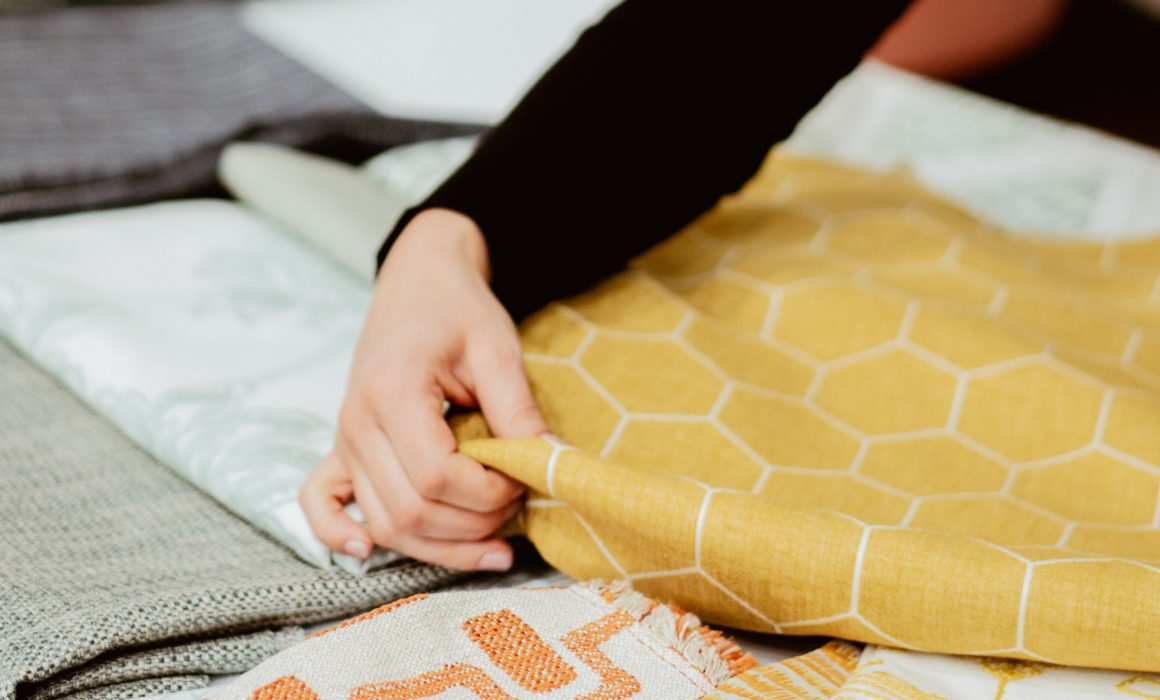
This is the type of heat that you can feel, experienced through physical touch. It’s what entices you to run your hand across the velvet sofa cushions and drape yourself in plush blankets with the rug beneath your bare feet. Window treatments, rugs, pillows, throws and your furniture upholstery go a long way toward achieving that overall sense of warmth and comfort.

Textiles are often left as an afterthought when designing a room, but I prefer to incorporate them in the greater design plan, as they are an impactful element not to be forgotten. Curtains, rugs, pillows and blankets, and the upholstery you choose for seats, chairs, and your sofa all play an important role in the ambiance. layer different textures to add depth to the design. If warmth is important to you, textiles could be something that is worth splurging on.

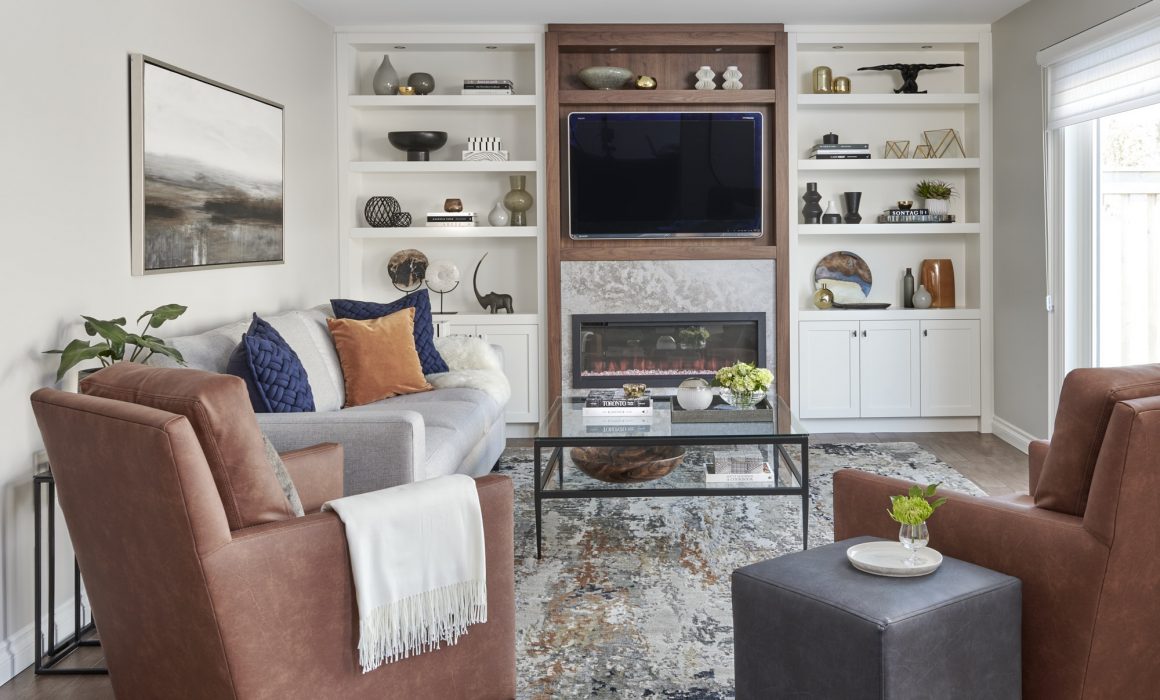
Fireplace Focus: For obvious reasons, the fireplace is a natural focal point in any room, whether appealing to an audience with its crackling flames or as a display space for art and accessories. Allow your fireplace to be the centre of attention, and if you do not have one, get one. Depending on your budget and the desired look and feel, you have many options available to you: wood-burning, gas, electric, and Dimplex even offers a water vapor fireplace that is safe, versatile, vent-free and more affordable than its wood or gas counterparts.

#2 Perceived Warmth

This is the type of warmth that you experience visually. When you enter a room, you immediately get a sense of its “temperature” based on what you can see. Is it soft and organic? Crisp and contemporary? Maybe it is antique and storied. when choosing your home’s overall aesthetic, be mindful of how different styles impact your emotions. Regardless of the style you choose, visual warmth can be achieved by layering different patterns, textures, materials, and finishes. Remember: variety brings interest and keeps the eye engaged.

Also consider “lighting temperature.” Light bulbs come in a variety of tints that can set the tone for the

space, ranging from cool bluish-white to warm-yellow that mimics candlelight and neutral “daylight” options. Consider what you will be doing in the room, and what type of lighting will best accommodate those actions. After all, function must come first. Will you be dining and relaxing? Reading and doing paperwork? Watching movies? Warm light is commonly used in residential applications like living areas, bedrooms, kitchens, dining rooms, etc. On the other hand, cool light is ideal for workspaces such as an office, hobby, or laundry room. Ensure a consistent light temperature in the room and put your lights on dimmers to keep it versatile.

#3 Emotional Warmth

This is the warmth that is felt within; the kind that tugs at your heartstrings. A thoughtful medley of art, accessories and the small details can collectively tell the story of your past, your travels and your passions. In short, this is the personality of your home.

Warm up the mood of your space by putting yourself on display. Here is your chance to unpack those mementos from the past and integrate them into your present. Collections, books, photographs, and art all help tell your story and turn an empty room into a reflection of its inhabitant.

“Home” means something different to everyone, and while these tips are a good general guideline, they will be interpreted and realized differently by everyone. there is no right or wrong way to turn a house into a home. If it feels right to you, that is the most important thing.


4 Tips for Surviving The Reno

Although you might think reno season starts in spring, you might be surprised to learn that we in the design world are already well into it. Anyone who’s ever endured a home renovation knows that planning and preparation are key. If a renovation project is been looming and you think you might finally be ready to go for it, here are four pieces of advice to kick your project off on the right foot.

1. Where will you see the best ROI? A renovation is usually the outcome triggered by one of two things – you’re selling your home, or you’ll be living in it. Regardless of your motive, always keep your eyes on the prize and identify the renovations that will yield the best return on your investment. Kitchens, bathrooms and hardwood flooring come with a hefty price tag, but they also offer the best returns. Alternately, some quick and cost-effective upgrades include a fresh coat of paint, re-facing cabinetry, new hardware and lighting.

2. The best projects aren’t necessarily the most exciting ones. This is where you need to separate your needs from your wants. Are there obvious issues with your home that need to be fixed? These projects should always be prioritized over the “extras.” Moisture issues, outdated electrical and plumbing, a ragged roof – these may not give you the same “instant gratification” as a shiny new kitchen might, but most homeowners and designers will agree on this one – it’s a top priority.

3. Have a budget, stick to it. Home renovation spending has a tendency to run amok. There can be a number of possible reasons for this – poor planning, indecision, and those inevitable surprises that come to light once the walls are opened up. Always have a 10- to 15-per-cent buffer budget, to cover any unexpected expenses. Some homeowners might also opt to take the road less travelled (also known as “DIY”) in the interest of saving a few bucks. I always recommend working with an experienced professional, who will get the job done right the first time. Otherwise, you could end up paying twice to have faulty work corrected later.

4. Book your trades well in advance. The construction and renovation industry has two seasons: slow and “whirlwind.” Ensure you engage your professional tea, early on in the process, to give them plenty of notice to line up any sub-trades and ensure your project materials are ordered and delivered on time. Depending on where you’re located, the time of year and what’s happening in the housing market (i.e. a seller’s market can mean a busier-than-normal reno season), your wait for your preferred contractor could be from six months to a year.

A home renovation comes with a whirlwind of emotions: excitement, frustration, anticipation, and some stress thrown in for good measure. By working with a pro, you can minimize the negative feelings and make the most of your project, your budget and your space!


Key Tips When Working with a Designer

There are many great reasons people choose to work with a professional designer, including their keen eye for style, their knowledge of suppliers and trades, and their hands-on experience. As you ask yourself questions like “How do I start the project?” “Who do use to complete the work?” and “Will I love the result?” you can rest easy knowing that your designer already has the answers. If you’re considering working with a designer like myself, I encourage you to follow my tips to make the most of your designer-client partnership.

Read the fine print. Before work begins, the designer will share a letter of agreement detailing their fee structure. Let’s be honest, when it comes to contracts, most people just skip to the last page and sign on the dotted line without reading through. Read the contract completely, and ensure you understand what is and isn’t included in the price. All designers work differently and there’s no “standard” paperwork. Being clear on your expectations and the designer’s deliverables from the onset minimizes future misunderstandings.

Be prepared for the consultation meeting. While not being prepared is certainly an annoyance to the designer, it’s really to your own detriment. You’ll likely pay a consultation fee, so make the most of this time by coming prepared with a list of goals, question and ideas.  Think ahead about your style preferences. Also consider your functional requirements. What’s not working for you currently?

Share images of spaces that evoke a feeling look you admire to help convey further what you are looking for.

Trust your designer’s instincts. Don’t second-guess your designer’s instincts and be open-minded. Each selection has been carefully made to complement the overall design. Perhaps it may seem difficult to envision the final result, but trust us. We know it will all come together beautifully. Changing your mind on something half-way through the process has a ripple effect, and often results in delays and added costs due to design revisions.

Leave the project to the pro. Let your designer do what you’ve hired him or her to do. While you may have good intentions by picking up items to use “in lieu of,” in reality, this can be counter-productive. Your designer has meticulously planned and purchased pieces for your space, and as effortless as these selections may seem, a lot of thought goes into the process. Unplanned additions and changes can be a serious set-back.

Working with a designer can be a game-changer, keeping the team on task, the design on trend, and the project on schedule. Trust in his or her experience and expertise, and remember that this is a partnership. Your input, at the right point in the process, is key. Decorating your home can be tough, largely because it is such a personal thing. A little unbiased professional design input does a long way to having the well-styled and functional home that you desire. Happy decorating!


Design by the Rules

To me, a great living space needs to be more than just stylish. It must be functional, flow seamlessly and most importantly, be functional for how you and your family live everyday. Here’s a few basic design rules to get you there.

Where to begin

Before painting, rearranging furniture and buying accessories, determine what the primary function of the room will be. Spend some time thinking about the purpose of the space. Will your space be primarily for entertaining or filled with children each day? Once you determine the function of the room, draw inspirations from the mood you want to convey in the space.

If you don’t have a natural focal point in your space, such as a fireplace, you can easily create one by simply highlighting a particular piece of furniture, artwork, or by painting a contrasting color on a focal wall. Choose furniture that satisfies the room’s functions. If a certain piece doesn’t work in the space, get rid of it or trade it for something else around the house. Direct the main furniture pieces toward the focal point, and balance the room with pieces of various heights and weights.

Think outside the box

If your space is tight, think outside of the box and consider creating a multi-functional space. An office can easily double as a playroom, and a finished basement can easily double as a guest room when well planned.

Bathrooms can be trickier to design. When we design projects we prefer to choose timeless materials that lean toward durability and longevity. When choosing tiles, faucets and fixtures avoid overly trendy colors and designs.

Best investments pieces

Invest in pieces that you want to keep for the long haul, like a beautiful sofa and storage cases built for longevity. Side tables, lamps and accent pieces are secondary. That said, investing in a quality designer piece can last a lifetime and give your space edge. If you need a little help finding those perfect pieces, call in a professional design firm likes ours to help make your space more beautiful and functional.

Designer Tips:

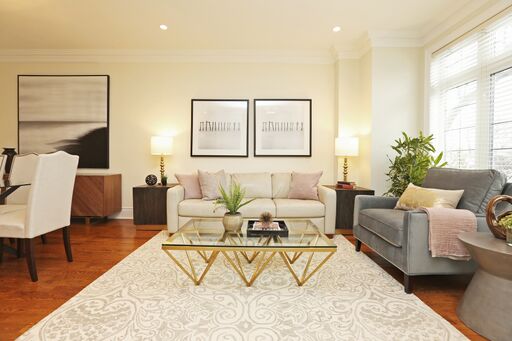
  • Hang artwork six inches above your sofa and 60 inches to the centerline. Artwork that’s too large to hang consider placing against a wall and use as a focal point.
  • Hang light fixtures 24 to 32 inches above the dining room table — low enough to cast the right light, but high enough not to block views.
  • Choose a rug that’s large enough to slide under the front legs of the sofa and chairs, unifying the furniture.

Table Lamps – For Task, Mood and Decor

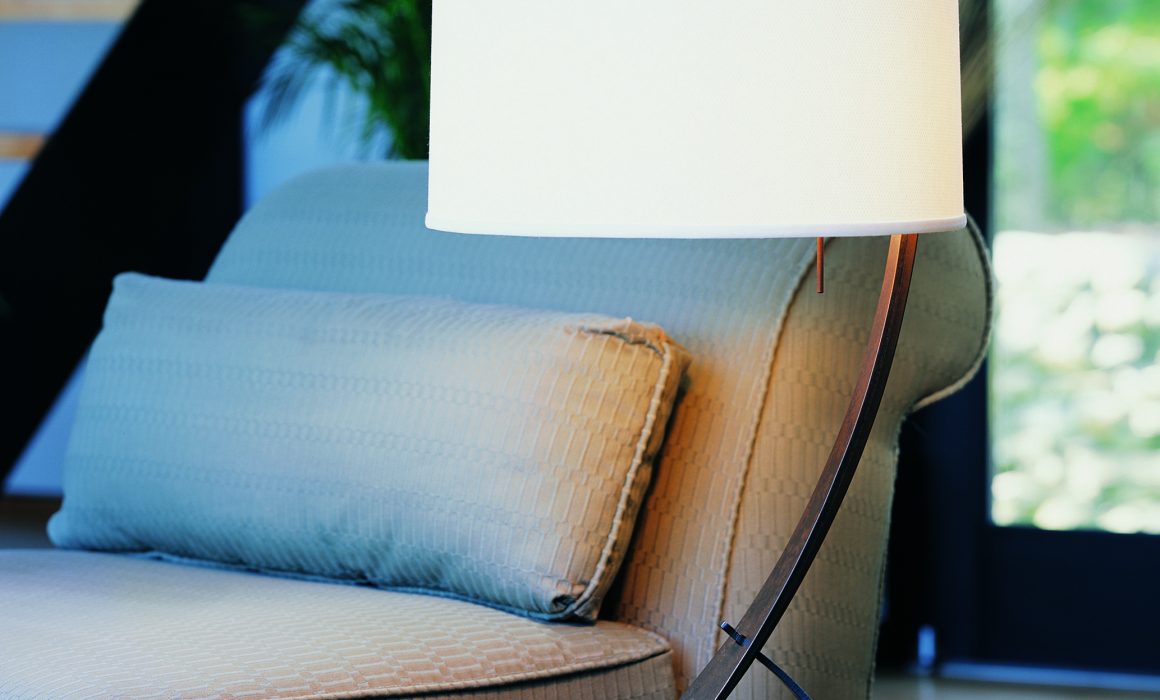
When selecting  table lamps for a room, ask yourself the following questions. What is the style of the room? modern or traditional? Are you looking for a table lamp that complements the decor, or adds a decorative element to the space.  Shop for a shade that matches your lighting needs. Some lampshades, made from thick linen or woven material diffuse the light, while others that are more translucent allow the most amount of light to shine. For maximum output choose a shade that is lighter in weight, more translucent and white in color. Additionally, some lamps, depending on the shade, will cast upward or downward beams to provide either mood or task lighting.

Mix and match lampshades, and, if necessary, add a shade riser or extender to the top of the lamp hardware to raise the height of the shade. The bulbs you choose also play a key role in the type of lighting you need. Bulbs differ by the amount of light and color they emit, and the amount of energy they use.  I always check the maximum wattage on a table lamp. Wattage indicates how much power a bulb consumes, not the amount of light, or lumens, it generates. A 40-watt incandescent bulb generates 450 lumens, a 60-watt, 800 lumens and a 100-watt bulb, 1600 lumens. Energy-efficient bulbs yield higher lumens with lower wattage. Two-bulb table lamps are ideal for areas with minimal light sources that require plug in lamps to illuminate the space.

I always emphasize in all my projects that’s it’s not only important to illuminate a space, but also to enhance your room’s decor, Lamps are perfect  standalone piece on an accent table or as an anchor for  a bed or couch, when placed on either side.

Tips:

  1. Task lighting should be free from glare and shadows, and should be bright enough to prevent eyestrain. Make sure that the light is at least 12 to 18 inches from the area requiring light.
  2. Consider the lampshade finial, you don’t want it to be so big that it’s the first thing you see; however, you do want it to make a statement. Remember, the lamp base on a table lamp is the first thing you should notice – the shade and finial should follow.
  3. Consider the overall height and purpose for the side lamp if for reading check where the light is casting down
  4. Consider scale, nothing looks worse than a small lamp with a shade that’s too big or a large lamp with a shade that’s too small.
  5. Buy variety of bulbs and test out which tone of white you prefer in the space.

Size Matters: Some Rules for Choosing Furniture

Furniture – it can make or break a room. The right furnishings have the power to vastly improve a room’s flow and its function, not to mention the overall aesthetic. On the flip side, the wrong furniture proportions can leave your home feeling cramped, cluttered and dark. Here are some helpful tricks of the trade, to help you when it comes to selecting furnishings that are sized to suit your space.

In The Living Room

Seating is the staple in the living room. You’ve simply got to have it. When choosing the seating for your space, consider your focal points. Will you be seated around a fireplace? Window? Entertainment area? Then, look at the room’s overall proportions and echo those measurements in your selections. For instance, sectionals are well-suited to spacious living rooms and open-concept floor plans. On the other hand, a smaller room with high ceilings would work well with a high-backed love seat.

In The Dining Room

The dining table is the center piece of the dining room. Dining tables usually come at a standard height of 28 to 30 inches, accommodating comfortable sitting and eating. However, height isn’t the only factor to consider. The area surrounding the table requires at least 36 inches between the table and wall, to allow diners to pull chairs in and back comfortably.

TIP: Dainty dining area? Consider having a round dining table. Round tables fit well into tight or oddly shaped spaces, and they seat more people.

In The Kitchen:

The kitchen has lot of elements that require accurate measurements – cabinets, tabletop, storage (not to mention recipes!) but probably the most important is your countertop. This is where the daily food pres takes place, so an ergonomically correct counter height is key. The standard is 36 inches in height, but if you’re building a kitchen from scratch then here’s a great opportunity to customize. Here’s a quick trick: place your hands atop the counter. If your elbows bend at a 45-degree angle, then you’ve found the right height.

In The Bedroom:

The bed is the single most important piece of furniture in this room, and arguably in your life. We spend one-third of our lifetime sleeping, so don’t skimp on this piece! Your bed occupies a large area, so proper scale to the space is essential. The bed must be big enough to accommodate you and your bed-mate, and how you both sleep. And to complicate matters further, “big enough” is totally subjective. Height-wise, your bed should sit at least two feet off the floor, give or take depending on your own body proportions. Comfort is key!

In fact, “comfort” should be one of the prevailing motivators when designing your home and buying furniture. The perfect piece of furniture will satisfy your needs in terms of comfort , style and quality. Measure before you shop the market, and while you’re out there, don’t be afraid to try before you buy.  As they say, measure twice and buy once and love it forever.


Choosing the right-sized area rug for your space

I want to purchase a new area rug for our living room. How do I choose the right size? My husband thinks that a five-foot-seven rug under the coffee table is fine but I think that would be too small. I have looked at photos in magazines and have seen it done a few ways. Are there any guidelines I should follow?

Read More


Fine Finishes - Boutique Design Firm

Fine Finishes Design Inc. is a multi-disciplinary, boutique-style design and decor firm located in Toronto.

We are social

Contact

For information about our services or to book an appointment, contact us via our form HERE or at:
Office: (905) 235-1919

Sign up for our Newsletter HERE

Memberships

Privacy Settings
We use cookies to enhance your experience while using our website. If you are using our Services via a browser you can restrict, block or remove cookies through your web browser settings. We also use content and scripts from third parties that may use tracking technologies. You can selectively provide your consent below to allow such third party embeds. For complete information about the cookies we use, data we collect and how we process them, please check our Privacy Policy
Youtube
Consent to display content from - Youtube
Vimeo
Consent to display content from - Vimeo
Google Maps
Consent to display content from - Google
Skip to content